


Running a literary business requires two very different skill sets: the craft expertise that is the reason you started your business, and the operational know-how that keeps it running.
Most literary entrepreneurs—authors, editors, coaches—excel at the first and struggle with the second.
If you’re managing your business alone, juggling systems, making decisions about technology and scaling, and wondering if you’re doing it right, you’re not alone. But the cost of this DIY approach might be higher than you realize.
In this guide, I’m breaking down why operational excellence matters for literary businesses, what it actually looks like, and how the right support can transform not just your business, but your relationship with the work you love.
Why "More Tools" Isn't the Answer
The promise is seductive: Find the right software. Take the right course. Download the right template. And suddenly, you’ll have a smoothly running business.
So you invest. You attend webinars. You implement new systems. And for a moment, it feels like progress.
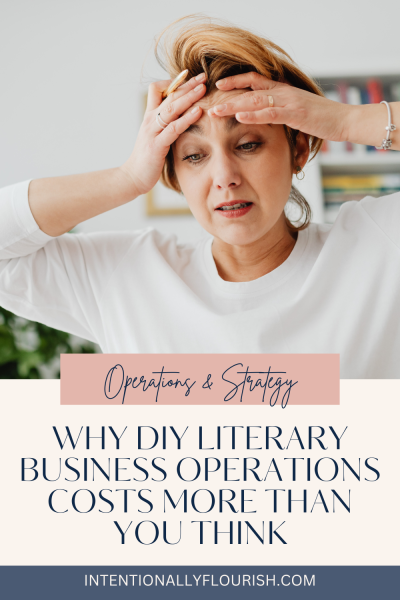
But then systems stop talking to each other. You forget where you stored that crucial client information. You’re spending your evening troubleshooting instead of creating. And you’re back to feeling overwhelmed.
Here’s what’s really happening: Tools without strategy are just expensive distractions.
A project management system doesn’t create a clear project workflow. Email automation doesn’t replace thoughtful relationship management. A CRM is only as good as the strategy driving how you use it.
The real problem isn’t that you lack resources or information. It’s that you’re trying to master every tool and run your business and do your core work. And something has to give. Usually, it’s your peace of mind—and your creative energy.
What Operational Excellence Actually Means
For literary professionals, operational excellence isn’t about squeezing maximum productivity out of every hour. It’s about creating systems and structures that support your vision, not force your vision to fit someone else’s system. (This is especially important to us as creatives!)
Real operational excellence for a literary business includes:
- Strategic system selection and integration. You have the tools you actually need, connected in a way that makes sense for your business. Not trendy tools. The right tools, working together.
- Clear team structures and communication. Whether you have contractors or a growing team, everyone understands their role and the priorities. Work flows smoothly because the infrastructure and alignment is there.
- Data-informed decision-making. You’re scaling, pricing, and expanding based on metrics that matter—not guessing or copying what other people do.
- Mental and creative space. The operational side runs without constant problem-solving from you. You have room to think strategically, create, and be fully present with your clients.
When your operations are structured well, your business becomes a foundation for growth—not a source of constant stress.
The Real Transformation
What happens when a literary professional finally gets genuine operational support?
The first shift is time. Hours that were spent on systems, coordination, and admin suddenly become available. But more importantly, your mental space comes back. You stop worrying about “Did I send that?” and start thinking about “What’s my next strategic move?”
Then comes clarity. When someone who understands your industry helps you evaluate what’s working, decisions become easier. You have perspective, data, and strategic guidance instead of operating in a vacuum.
The deepest shift, though? It’s peace. You know your business is being cared for by someone who understands your vision and is invested in your success. You sleep better. You show up more fully with your clients. You have room to be creative without guilt.
From a business perspective, this translates into sustainable, aligned growth. Not chaotic growth that requires constant hustle. Growth that feels natural because the foundation is solid.
Choosing the Right Operational Partner
If you’re ready to bring in support, here’s what to look for:
Industry knowledge. They should understand publishing and literary businesses—not just generic business operations. They get the rhythm of launches, the importance of author relationships, the unique challenges you face.
Personalization over templates. Anyone offering a one-size-fits-all solution should be a red flag. Your business is unique. Your approach should be too.
True partnership mentality. You need someone who’s invested in your success, not just checking boxes. They should ask good questions, help you think strategically, and genuinely care about your vision.
Clear, honest communication. You should feel comfortable being transparent about challenges and goals. They should communicate clearly about what they’re doing and why.
Value alignment. If your business is rooted in creativity, purpose, and people, your operational partner should share that philosophy. Growth should never come at the cost of your peace or your values.
Choose to Thrive
The silent cost of managing your literary business alone isn’t just the hours. It’s the creative energy diverted to spreadsheets. It’s the strategic decisions delayed. It’s the peace of mind sacrificed.
You don’t have to do this alone. And you shouldn’t have to choose between running a thriving business and having a peaceful life.
The right operational partnership changes everything. It frees you to focus on what you do best—bringing stories into the world and supporting authors—while someone you trust handles the infrastructure.
Your business deserves to thrive. And so do you.
Ready to explore what strategic support could look like for your literary business?
If this resonates, let’s talk. You don’t have to figure this out alone. I work with literary professionals to transform operations from a source of stress into a foundation for growth.
Schedule a discovery call with me—no pitch, just honest conversation about where you are and what could shift for your business.
Or, if you’re still exploring, join my email list for ongoing insights on running a literary business that’s both thriving and peaceful.